From Prototype to Patient: Why Your Medical Device Strategy Needs a “Manufacturing-First” Approach
In the world of medical innovation, a brilliant prototype is only half the battle. The true challenge lies in the transition: moving from a laboratory concept to a scalable, compliant, and market-ready product. For many R&D teams in the rehabilitation and MedTech sectors this “valley of death” is where projects stall.
At Recomedic and Silesius, we believe that the secret to successful scaling isn’t just having the right machines, it’s having the right manufacturing intelligence.
1. Design for Manufacturing (DfM): The Foundation of Scalability
Many innovative rehabilitation products are designed with high functionality in mind but low manufacturability. Our role as a Contract Manufacturer begins long before the first unit leaves the assembly line. We support our partners in the Design Assistance phase to ensure that every cable routing, PCB placement, and mechanical assembly is optimized for repeatability and cost-effectiveness.
“Innovation is expensive, but inefficient manufacturing is even costlier.”
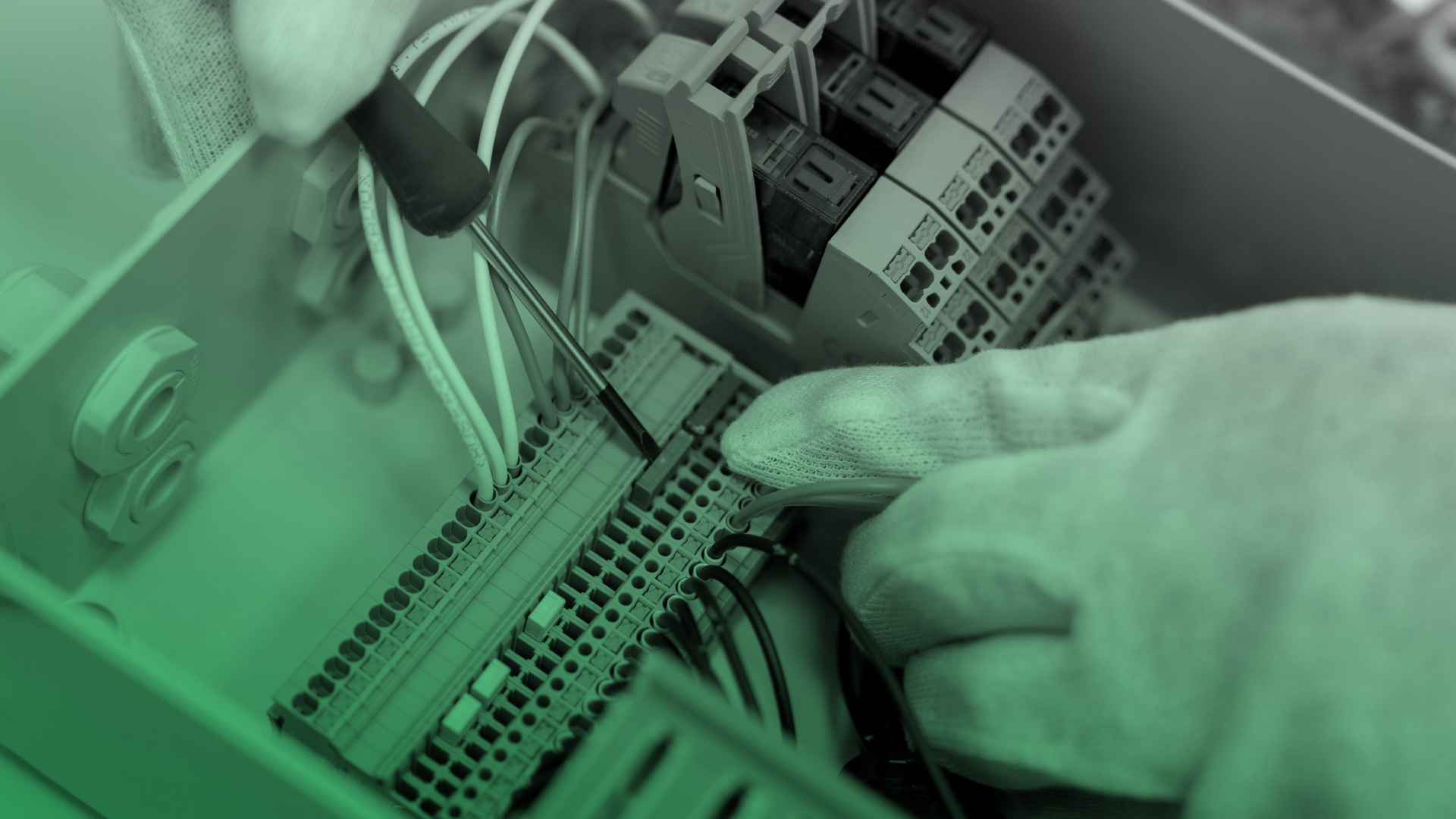
Precision electromontage in action: Ensuring every connection and wire routing is optimized for repeatability and long-term device reliability.
2. Prototyping with the End Goal in Mind
Prototyping shouldn’t just prove the concept; it should prove the process. We specialize in taking complex medical assemblies through rigorous Prototyping and Testing phases. By handling everything from cable processing to advanced PCB programming and functional testing, we ensure that the “Beta” version of your device carries the DNA of the final, mass-produced product.
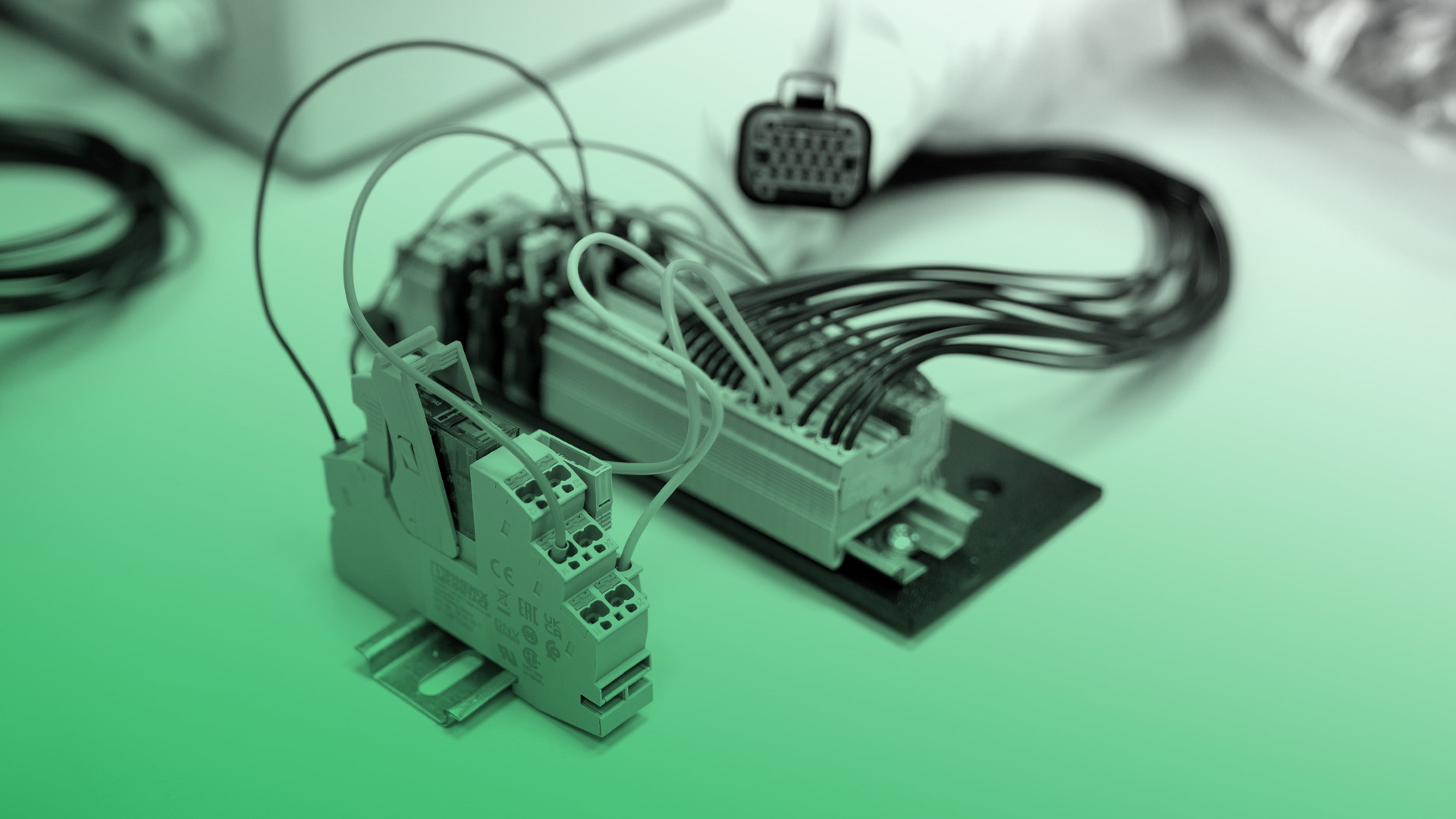
From complex schematics to structured reality – a machine control sub-assembly wired to exact technical specifications during the production phase.
3. The Power of an Agile Manufacturing Ecosystem
A common misconception in the industry is that a manufacturer must own every machine to be effective. At Recomedic and Silesius, we’ve pioneered a different model. We act as the central hub for Advanced Assembly and Electromontage.
While we leverage a hand-picked network of specialized partners for raw processing, we keep the most critical elements in-house:
- Complex Product Assembly: Bringing all components into a finished, medical-grade device.
- PCB Programming & Card Validation: Ensuring the “brain” of your device is flawless.
- Secure Warehouse Management: Providing a safe haven for your components and finished goods, ensuring supply chain resilience in an unpredictable global market.
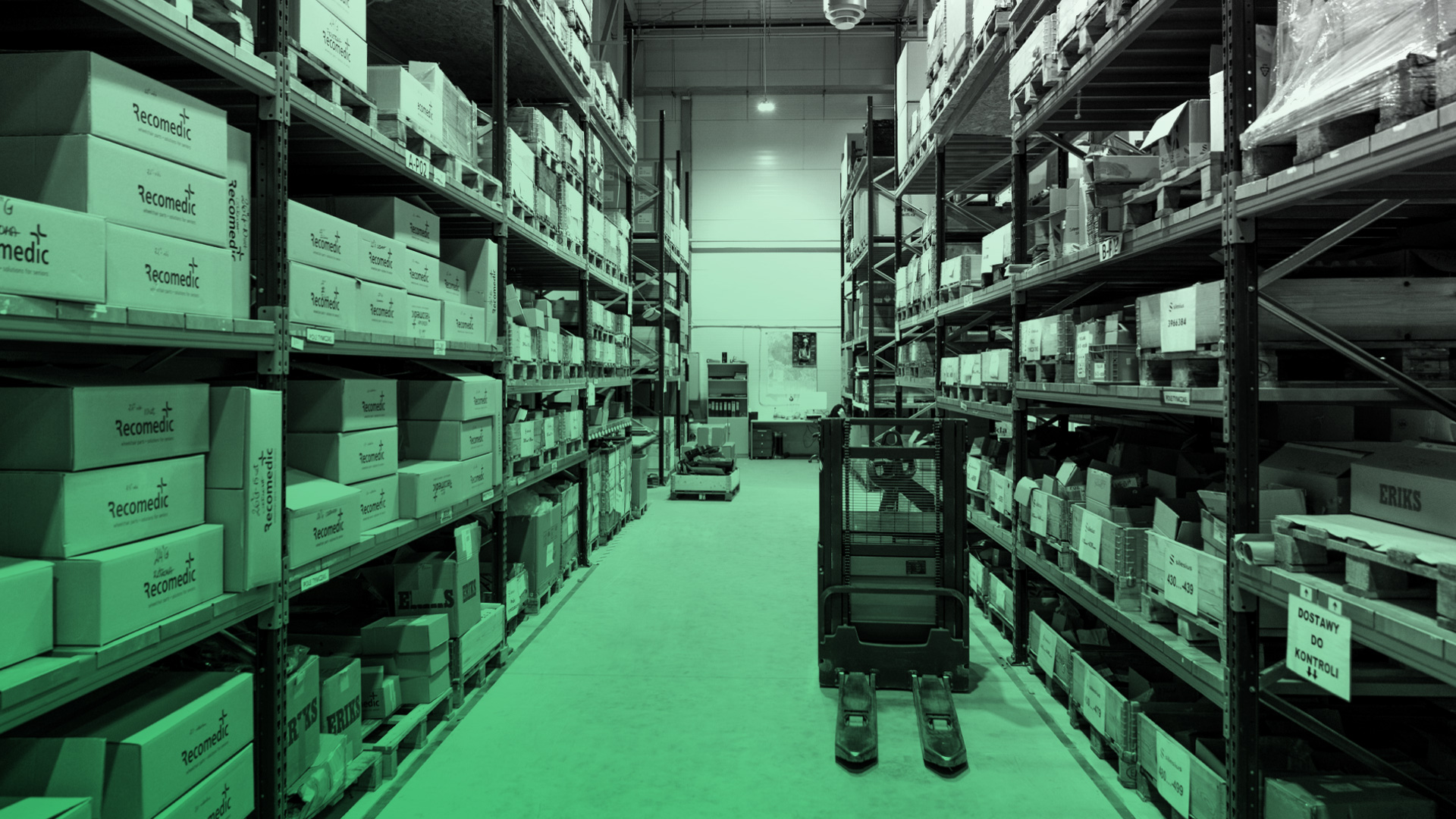
Supply chain resilience: Safe, organized, and medical-grade warehouse management ensures components are ready for rapid scaling whenever demand shifts.
4. Scaling Without Friction
When your product gains traction, your manufacturing partner must be able to keep up. Our hybrid model allows for rapid scaling. Whether you are producing a niche rehabilitation tool or a high-volume medical assembly, our infrastructure is designed to expand with your demand, without the typical growing pains of hardware startups.
Your Partner in MedTech Export
Operating in the B2B export market requires more than just technical skill; it requires a commitment to transparency, quality, and long-term partnership. We aren’t just a factory; we are an extension of your R&D and operations team.
Are you developing the next generation of rehabilitation technology? Let’s build it to last. Let’s build it to scale.